
How to Get Better Disposable Camera Photos: 7 Essential Tips

Updated: Jun 24

Whether you're using a RWND camera at a wedding, party, vacation, concert, or night out, these disposable camera tips will help you get sharper photos, brighter colors, and better results when your film is developed.
1. Use the Flash on Every Photo
The most common disposable camera mistake is forgetting to use the flash.
For the classic disposable camera look, we recommend using the flash on every photo, even indoors and at night. The flash creates the signature film aesthetic people love:
Bright subjects
Dark backgrounds
Sharper faces
Nostalgic late-night photos
Without the flash, disposable camera photos often come back dark, blurry, or underexposed.
Tip: If you're wondering how to get better disposable camera photos, start by using the flash every time.
(See Flash Comparison Below).

2. Stay 4–10 Feet From Your Subject
How far away should you stand when using a disposable camera?
For most disposable cameras, the ideal distance is between 4 and 10 feet.
Too close can cause overexposure
Too far prevents the flash from reaching your subject
Staying within range creates brighter, sharper photos
If you want the classic disposable camera flash look, stay close to the action.
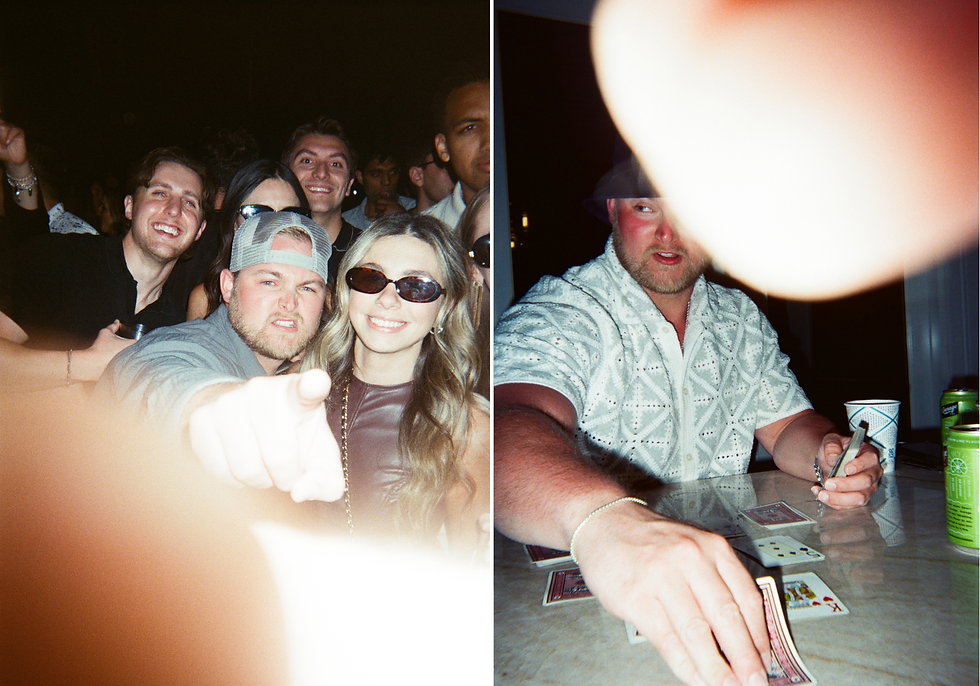
3. Keep Your Finger Away From the Lens
One of the most common disposable camera problems is accidentally covering the lens.
Because the viewfinder sits above the lens, it's easy to frame a photo perfectly while unknowingly blocking part of the image.
Before taking a picture, quickly check that your fingers aren't covering:
The lens
The flash
The viewfinder
This simple habit can save some of your best photos from being ruined.
4. Hold the Camera Steady
Movement while taking a picture can create blur, especially indoors or in low-light environments.
For sharper photos:
Hold the camera with both hands
Keep your arms close to your body
Press the camera lightly against your face for stability
Steady hands make a huge difference when shooting at weddings, parties, concerts, and nighttime events.
5. Protect Your Film While Traveling
If you're traveling with a disposable camera, protect the film whenever possible.
When flying, keep your camera in your carry-on bag and request a TSA hand inspection. Repeated exposure to airport scanners can affect film quality, particularly on trips involving multiple flights.
Scanner damage may cause:
Hazy photos
Cloudy streaks
Muted colors
Increased grain
Faded images
Reduced sharpness
Protecting your film helps preserve the memories you've captured.
6. Develop Your Film At A Reputable Film Lab
Where you develop your film matters just as much as how you shoot it.
For the best results, we recommend sending your RWND camera to a reputable mail-in film lab or bringing it to a trusted local film lab instead of using big-box pharmacies like Walgreens or CVS.
Dedicated film labs typically provide:
Higher-quality scans
Better color accuracy
Sharper images
Proper film handling
More consistent results
Many pharmacy locations now outsource film processing, and in some cases, negatives may not even be returned. Since disposable cameras capture moments you can’t recreate, it’s worth choosing a lab that specializes in film photography and treats your memories with care.
7. Bring Your Disposable Camera Everywhere
One of the biggest advantages of a disposable camera is that it's easy to take anywhere.
Unlike expensive camera equipment, disposable cameras are simple, lightweight, and designed to be used without worry.
Bring your camera to:
Weddings
Concerts
Road trips
Beach days
Ski trips
Sporting events
Nights out with friends
The best disposable camera photos are often the ones you never planned to take.
Final Thoughts
Learning how to use a disposable camera isn't complicated. Use the flash, stay close to your subject, keep the camera steady, and choose a quality film lab when it's time to develop your photos.
At RWND, we believe film photography is about more than taking pictures. It's about slowing down, putting away your phone, and capturing moments you'll be excited to relive when your photos come back.


